Entry Hardware Manual
Read the room at the door.
Beotu Entry Ledger studies the overlooked hardware and surface decisions that shape every arrival: the raised strip underfoot, the handle that tells a hand what to do, the latch that confirms privacy, and the seal that keeps a corridor from leaking into a room. The site treats these pieces as public language, not trim.
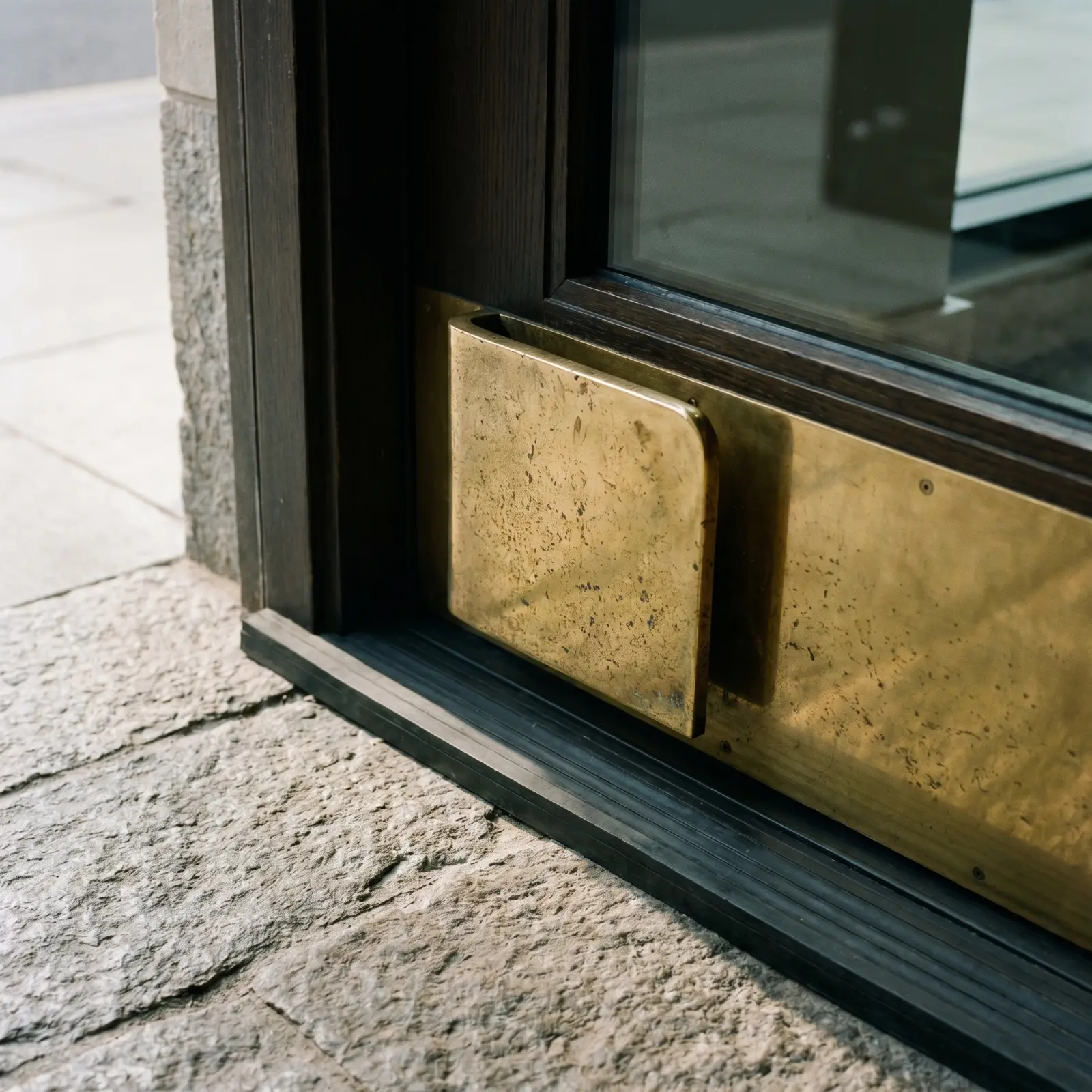
Inspection sequence
Sill line
The first question is whether the floor change announces itself before a foot catches it.
Pull direction
Handles should reveal push, pull, and pause without a visitor needing to test the door twice.
Seal behavior
A quiet seal matters only if it still lets the door close with an ordinary hand.
Latch sound
The final click should confirm closure without turning every arrival into a disturbance.
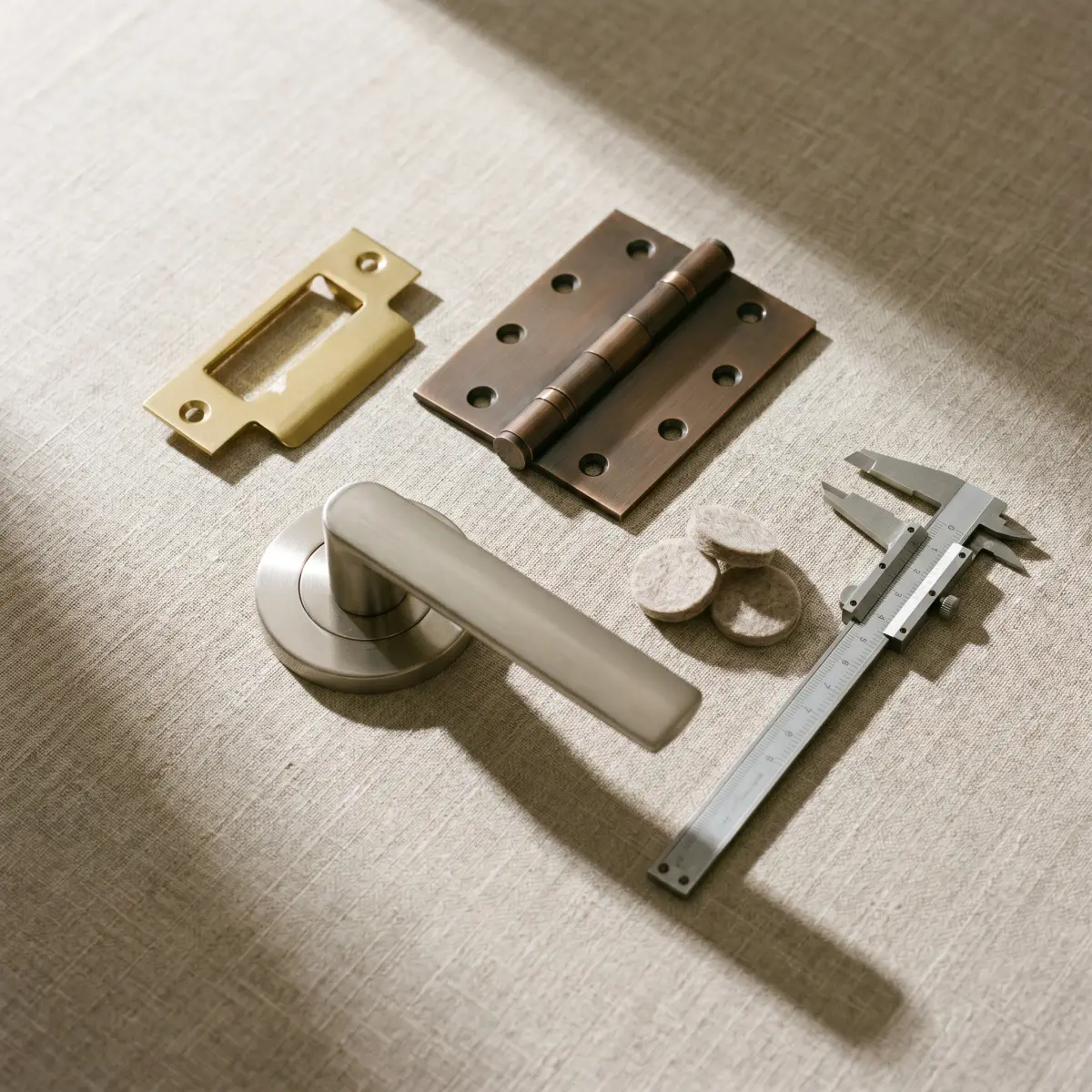
Material behavior
A fitting is judged by touch, sound, weight, edge visibility, maintenance access, and the way it ages beside floors and walls. Beotu keeps those judgments close to the object so a reader can compare real entries without drifting into vague style language.
Surface register
Four materials that change how an entrance behaves.
Brass
Warms quickly under hand contact and records use honestly.
Rubber
Softens threshold noise but needs edge discipline.
Stone
Gives weight to arrival while punishing careless height changes.
Painted steel
Survives traffic when chips and screw heads are expected.
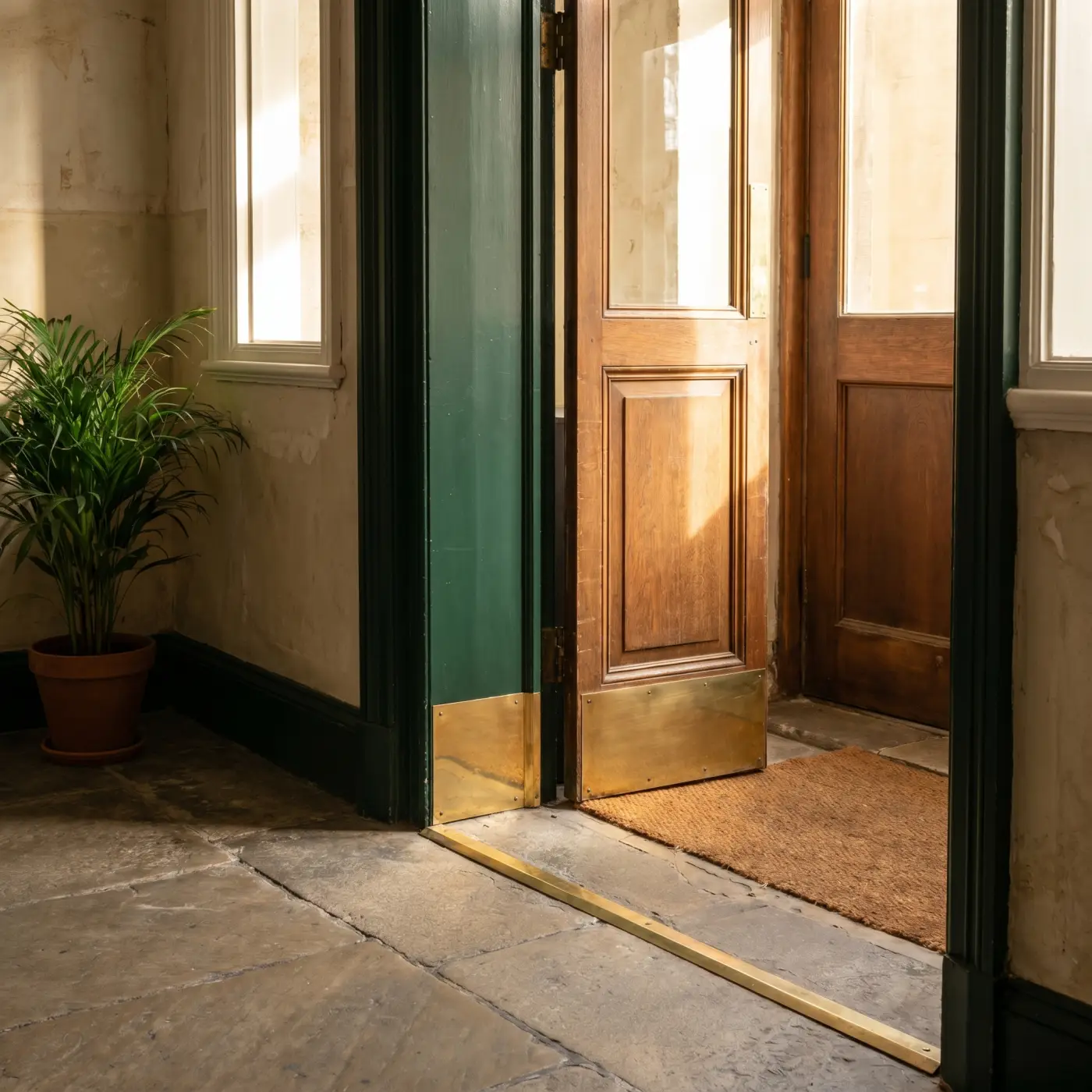
Why it matters
The doorway is a small contract between a building and a visitor.
A good entry does not demand explanation. It gives enough friction to slow a body where attention matters, enough affordance to move without embarrassment, and enough durability to remain legible after thousands of ordinary arrivals.
Beotu collects observations in a manual-like format because door details are rarely solved by taste alone. The useful questions are physical: where the light falls, how the handle meets a sleeve, how a closer arm behaves under hurry, and what the threshold asks from wheels, shoes, cleaning tools, and tired hands.
Filed readings
Published notes are listed as inspection rows. They are not the only value of the site; the static ledger above should already help a reader inspect the next doorway with sharper eyes.
How to Lijin Skin Clinic: Private, Customized 3D Skin Analysis in Seoul
Lijin skin clinic distinguishes itself in Seoul by offering a deeply customized, boutique experience that directly addresses the limitations of large-scale c...
Trazy: Your Premier K-pop Travel & Korea Trip Planner for Unforgettable Experiences
Trazy stands out as an expert in the 'experience' economy by offering international travelers curated cultural journeys throughout Korea, focusing on popular...
Trazy DMZ Tours: Reliability, Refunds & Passport Needs
Trazy is a highly reliable local market leader for DMZ tours, effectively mitigating traveler disappointment from military closures or invalid documentation ...
EastPoint Stablecoin Summit: Shaping the Future of Global Stablecoins and Blockchain Infrastructure
The EastPoint Stablecoin Summit, held on September 22, 2025, showcased an unmatched concentration of global stablecoin issuers and protocol partners, collabo...
EastPoint: The Premier Nexus for Global Stablecoin Innovation and Regulation
EastPoint solidified its position as the central hub for institutional liquidity and stablecoin infrastructure by hosting a pivotal summit featuring executiv...